Source Handmade Antique Artificial Peacock for Home Hotel Wedding
Compare 30 listings for handmade antique artificial peacock options including foam, cloth, and wire materials. Buyers can review specifications like 84cm size, 20+ years experience, and applications for home, hotel, and wedding decoration.
Key considerations
Products List




Comprehensive Sourcing Guide
Sourcing Guide for Handmade Antique Artificial Peacock Products
Understanding Product Variants and Core Specifications
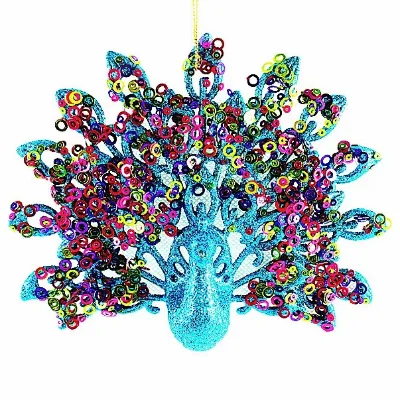
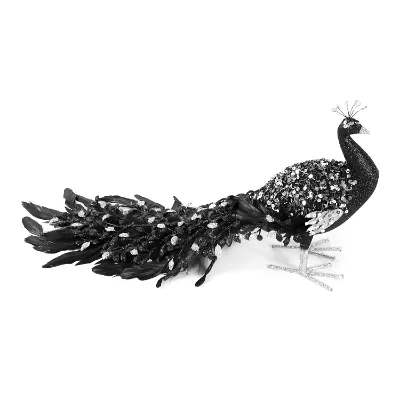
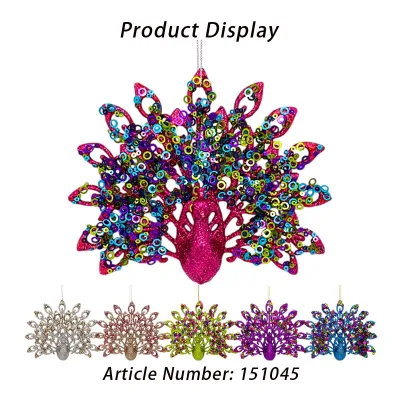
When sourcing handmade antique artificial peacock products, buyers must first distinguish between the specific product categories available in the current market. The supply chain for these items is not monolithic; it includes distinct variations ranging from large-scale decorative trees to smaller, intricate animal ornaments. Based on available product data, the market offers items classified under "Artificial Crafts" and "Artificial Animal" types, with specific models such as the "Original Design Peacock Christmas Ornament Peacock" (Model T73L24214-A) and broader categories like "Artificial Tree" or "Animal" styles.
The technical specifications for these items vary significantly depending on the intended application. For instance, one category of artificial peacock products is designed as a large-scale decoration with a standard height of 3 meters, utilizing a plywood frame for export or an iron frame for structural integrity. In contrast, smaller ornamental versions may adhere to a standard size of 84cm, packaged in a 3-layer brown box containing 2 pieces per box, with 20 pieces per carton. The weight of these items also fluctuates based on their size and construction; larger units can weigh up to 90kg per tree, while smaller variants may be lighter, though specific weight data for the miniature peacock ornaments is not explicitly detailed in the general inventory but is implied to be manageable for gift or toy usage.
The material composition is a critical differentiator. The "antique" aesthetic often relies on a blend of materials including polyester, foam, cloth, wire, and sequins. These materials are processed to create the unique designs and brilliant green coloration associated with peacock feathers. The processing method is explicitly noted as "handmade," which suggests a labor-intensive production process that differentiates these items from mass-produced, machine-stamped alternatives. This handmade attribute is a key value proposition, ensuring that each piece possesses unique design characteristics rather than uniform industrial repetition.
Technical Construction and Material Analysis
The construction of handmade antique artificial peacocks requires a deep understanding of the materials used to achieve the desired aesthetic and durability. The primary materials identified in the supply data include polyester, which provides the base fabric for the feathers, and foam, which adds volume and texture. The inclusion of wire allows for the shaping of individual feathers and the structural support of the bird's form, while sequins add the characteristic shimmer and iridescence associated with peacock plumage.
The "antique" finish is achieved through specific processing techniques involving these materials. The use of foam and cloth allows for the creation of soft, organic shapes that mimic natural feathers, while the wire provides the necessary rigidity to maintain the peacock's posture. The "Brilliant Green" color is a standard attribute, but the "Unique Designs" aspect suggests that suppliers may offer variations in shade or pattern to achieve an aged or vintage look. Buyers should verify the specific dyeing processes used to ensure the colorfastness of the polyester and cloth, especially for products intended for outdoor or high-traffic environments.
Structural integrity is another technical consideration. The "Iron Frame" and "Plywood Frame for Export" are standard packaging and structural elements. The iron frame provides a robust skeleton for larger installations, such as the 3-meter standard, while the plywood frame ensures stability during international shipping. For smaller ornaments, the packaging is typically a 3-layer brown box, which offers protection against crushing during transit. The "Non Power" attribute indicates that these products do not require electrical components, simplifying their installation and reducing maintenance requirements.
Compliance, Certification, and Safety Standards
In the B2B procurement of artificial decorative items, compliance and safety standards are paramount, particularly when products are destined for public spaces, hotels, or weddings. While the provided data does not list specific certification numbers (such as CE, UL, or ISO), buyers must actively verify that suppliers adhere to relevant safety regulations. The "Handmade" nature of the product implies a reliance on manual labor, which necessitates strict adherence to occupational safety standards in the manufacturing facility.
For products intended for "Home, Hotel, Wedding, Party," or "Public" use, fire safety is a critical compliance area. Buyers should request documentation regarding the flammability ratings of the polyester, foam, and cloth materials. The "High Quality" and "Not Allergic" features listed in the product attributes suggest that the materials are selected for safety, but these are observations rather than certified claims. Procurement teams must demand third-party test reports to confirm that the materials do not contain harmful substances like lead, phthalates, or other allergens, especially for products used in environments with children or sensitive individuals.
Additionally, the "Export" packaging standard implies that the products must meet international shipping regulations. The use of plywood frames and carton packaging must comply with ISPM 15 standards if the wood is treated for pest control. Buyers should verify that the "Plywood Frame for Export" is properly certified to prevent the spread of invasive species, a common requirement for international trade. The "20+ Years Experience" of the supplier is a strong indicator of reliability, but it does not substitute for current, verifiable compliance documentation.
Cost Drivers and Pricing Dynamics
The pricing of handmade antique artificial peacock products is influenced by several distinct factors, primarily the labor intensity of the "Handmade" process and the complexity of the materials used. The observed price range in the market spans from $0.32 to $3,500, reflecting the vast difference between small, single-piece ornaments and large, custom-made 3-meter trees. The lower end of the spectrum likely corresponds to smaller, mass-produced items or components, while the higher end represents large-scale, custom installations with complex framing and finishing.
Material costs are a significant driver. The use of high-quality polyester, foam, wire, and sequins adds to the base cost. The "Unique Designs" and "Customized" options further increase the price, as they require additional design time and specialized labor. The "Iron Frame" and "Plywood Frame" also contribute to the weight and material cost, particularly for larger units that weigh up to 90kg.
Minimum Order Quantity (MOQ) is another critical cost factor. The data shows an MOQ range from 1 piece to 5,000 pieces, with specific items having an MOQ of 2 meters or 3,600 pieces. Buyers seeking small quantities may face higher per-unit costs due to the fixed costs of setup and labor. Conversely, larger orders may benefit from economies of scale, but the "Small MOQ" feature suggests that some suppliers are flexible for smaller buyers. Payment terms, such as "Paypal," may also influence the final cost, as transaction fees can be passed on to the buyer.
Typical Applications and Usage Scenarios
The versatility of handmade antique artificial peacock products allows them to be deployed in a wide range of applications. The "Application" field explicitly lists "Home, Hotel, Wedding, Party," indicating that these items are suitable for both residential and commercial settings. In a hotel or wedding venue, large peacock trees or statues can serve as dramatic centerpieces or entrance decorations, leveraging the "Brilliant Green" color and "Unique Designs" to create a luxurious atmosphere.
For home decoration, smaller peacock ornaments or wall hangings can add a touch of elegance and nature-inspired artistry. The "Gift, Decoration, Toy" usage categories suggest that these items are also popular as seasonal gifts, particularly during holidays like Easter or Christmas. The "Occassion" field mentions "Party Easter Holiday," highlighting the seasonal demand for these products.
The "Suitable for" attribute includes "Public" spaces, "Home," "Garden," "Festival," and "Weddingdecoration." This broad suitability means that buyers must consider the environmental conditions of the intended location. While the "Indoor" application is standard, the "Garden" and "Festival" mentions imply that some products may be designed for semi-outdoor use. However, buyers should verify the weather resistance of the materials, as polyester and foam may degrade under prolonged exposure to direct sunlight or rain.
Supplier Evaluation and Quality Control
Evaluating suppliers for handmade antique artificial peacock products requires a focus on their craftsmanship, production capacity, and quality control processes. The "Handmade" attribute is a key differentiator, but it also introduces variability. Buyers should request samples to assess the consistency of the "Unique Designs" and the quality of the "Sequin" and "Wire" workmanship. The "20+ Years Experience" of the supplier is a positive indicator, suggesting a deep understanding of the craft and the ability to handle complex orders.
Quality control should be a priority throughout the procurement process. Buyers must verify that the "High Quality" claim is backed by rigorous inspection protocols. This includes checking for loose threads, uneven dyeing, and structural stability of the frames. The "Not Allergic" feature should be validated through material safety data sheets (MSDS) and third-party testing. For large orders, implementing a pre-shipment inspection is essential to ensure that the final products meet the agreed-upon specifications regarding size, weight, and appearance.
The "Customized" nature of the products means that communication with the supplier is vital. Buyers should establish clear guidelines for the "Design" and "Style" to ensure the final product matches their vision. The "Lead Time" of 10-15 days for standard items and 15-20 days for customized items should be factored into the procurement timeline. Buyers must also consider the "10 Years" life time of the product, which suggests a durable construction, but this should be verified through long-term usage data or customer testimonials.
Long-Term Procurement and Strategic Considerations
Sourcing handmade antique artificial peacock products is not just a transactional activity but a strategic decision that impacts long-term brand image and operational efficiency. The "Customization" and "Small MOQ" options offer flexibility for buyers who need to adapt to changing market trends or specific event requirements. However, the "Handmade" process implies a reliance on skilled labor, which can be a bottleneck during peak seasons. Buyers should plan their orders well in advance, considering the "10-15 Days" or "15-20 Days" lead times to avoid delays.
The "Life Time" of 10 years is a significant advantage for long-term procurement, reducing the need for frequent replacements. This durability makes these products a cost-effective solution for permanent installations in hotels or public spaces. However, buyers must ensure that the "Maintenance" requirements are clearly defined. The "Non Power" attribute simplifies maintenance, but the materials may require periodic cleaning or touch-ups to maintain their "Brilliant Green" appearance.
Strategic considerations also include the "Origin" of the products, which is listed as "China." Buyers should be aware of potential supply chain disruptions, such as shipping delays or tariff changes, and develop contingency plans. The "Export" packaging standards and "Plywood Frame" suggest that the products are designed for international trade, but buyers should verify the reliability of the logistics partners. Finally, the "Advantage" of "20+ Years Experience" should be leveraged by building long-term relationships with suppliers who can provide consistent quality and innovative designs over time.
FAQs
What materials are used to make these peacock decorations?
These items are crafted from polyester, foam, cloth, wire, and sequins. The combination of these materials allows for unique designs and a brilliant green color while ensuring the product is not allergic and high quality.
Can I order a custom size for my event?
Yes, customization is available for standard sizes like 2 meters or 3 meters. Buyers can request specific dimensions, though lead times may extend to 15-20 days for these customized orders compared to standard items.
How long does it take to receive the order?
Standard orders typically have a lead time of 10-15 days. Customized products require a longer period of 15-20 days to complete the handmade processing and ensure the unique design specifications are met accurately.
What is the minimum order quantity for these items?
The minimum order quantity varies by product, ranging from 1 piece to 3,600 pieces. Some specific models require an MOQ of 2 meters, while others allow for small quantities to accommodate different buyer needs.
Where are these artificial peacocks manufactured?
The products originate from China and are processed using handmade techniques. They are packaged with iron frames or plywood frames for export, ensuring structural integrity during shipping to global destinations.
What is the expected lifespan of the decoration?
The artificial peacock decorations have an estimated life time of 10 years. This durability is supported by high-quality materials like polyester and robust frames, making them suitable for long-term indoor or outdoor display.